Case study house clearance Blackheath before and after results
Posted on 23/10/2026
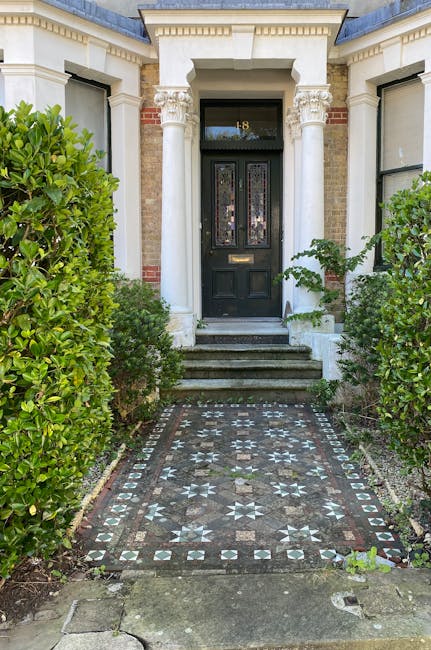
When a property in Blackheath reaches that point where every room feels crowded, every corner has a story, and the job has become too much for one person to handle alone, a proper house clearance can change everything. This article looks at case study house clearance Blackheath before and after results in a practical, real-world way: what the process usually involves, what the transformation tends to look like, and why the outcome matters for homeowners, landlords, families, and anyone dealing with a sensitive or time-pressured clearance.
To be fair, most people do not search for house clearance because life is going smoothly. It is often linked to a move, bereavement, downsizing, probate, hoarding concerns, a rental handover, or a property that simply got away from them over time. That is exactly why a good before-and-after case study is useful. It shows what changes, how the work is approached, and what "done properly" actually looks like.
In the sections below, you will find a clear breakdown of the process, the practical benefits, common mistakes to avoid, and a simple checklist you can use before booking a clearance. There is also a comparison section, a real-world style example, and a FAQ section covering the questions people usually ask when they are trying to decide what to do next.
Why Case study house clearance Blackheath before and after results Matters
The "before and after" part is not just a nice visual. It is usually the clearest way to understand what a house clearance actually delivers. A cluttered room can look like a simple tidying job from the doorway. Then you step inside and realise there are layers of furniture, mixed waste, boxed belongings, broken items, and things that need sorting rather than simply throwing away. The transformation matters because it turns a stressful, messy space into one that can be sold, rented, repaired, inspected, or lived in again.
In Blackheath, where homes can vary from compact flats to larger family houses with awkward stairways, lofts, and gardens, the result depends heavily on planning. You may have narrow access, parking limitations, neighbours close by, or items that are too bulky to move without care. So the final outcome is not only about removing clutter. It is about making the property functional again without causing damage, delays, or avoidable stress.
There is also a trust element here. A good case study shows more than a clean room photo. It shows sequencing, judgement, and respect. What was removed first? What was protected? Was anything reused, donated, recycled, or safely separated? Those details matter because they reveal whether the clearance was handled professionally or just rushed through. And let's face it, a rushed job usually shows. It shows in scuffed walls, missed items, and that lingering feeling that the place was not really dealt with properly.
Practical takeaway: the value of a house clearance case study is not the "after" photo alone. It is the full story of how the property went from difficult to manageable, and what that meant for the next step.
How Case study house clearance Blackheath before and after results Works
A house clearance usually follows a structured process, even when the situation feels chaotic at the start. That structure is what makes the before-and-after result possible. In simple terms, the work starts with assessing the property, identifying what needs to go, deciding what can be reused or recycled, and then removing items in a safe and orderly way.
In many cases, the first visit or call will focus on the scope of the job. Is it a full property clearance or just selected rooms? Is there furniture, white goods, general household waste, garage clutter, loft items, or garden debris? Does the property have restricted access or parking problems? These details affect timing, labour, and the vehicle setup. They also affect the final result, because a good plan reduces the chance of missed items and unnecessary disruption.
The actual clearance often happens in stages:
- Assessment: The team reviews the property and identifies the scale of the work.
- Sorting: Items are separated into keep, donate, recycle, and dispose categories where appropriate.
- Removal: Furniture, appliances, bags, and loose waste are taken out methodically.
- Final sweep: Remaining small items, dust, and forgotten bits are checked before sign-off.
That last step is where many weaker clearances fall short. A visually empty room is not always a properly completed one. A professional result usually means the space is left safe, accessible, and ready for the next stage, whether that is cleaning, decorating, valuation, or handover.
You will often notice the difference most in the awkward places: under beds, behind wardrobes, in cupboards, and on shelves that had become a sort of unofficial storage system. Those are the spaces that quietly make the biggest difference in the final before-and-after comparison. Funny how the little corners cause the biggest headaches.
Key Benefits and Practical Advantages
A house clearance done well offers benefits that go beyond visual improvement. The obvious one is space, but the practical advantages are broader than that. The property becomes easier to inspect, easier to clean, and easier to market or manage. That matters whether you are an owner, executor, landlord, tenant, or family member trying to sort things out without turning the week upside down.
- Faster readiness: A cleared property can move on to cleaning, repairs, or sale preparation more quickly.
- Less physical strain: Heavy lifting, awkward furniture, and bagging up waste are handled for you.
- Better decision-making: Once the clutter is removed, it becomes easier to see what actually needs attention.
- Improved property presentation: Rooms look larger, brighter, and more usable.
- Reduced stress: A clear plan is a relief when emotions are already running high.
- More responsible disposal: Reusable and recyclable items can be separated more effectively.
There is also a subtle but important benefit: momentum. Once a property has been cleared, people usually feel less stuck. That can be a big deal in probate situations or when someone has been overwhelmed for months. The job suddenly feels possible again. Small win, but a real one.
For properties in Blackheath and nearby parts of southeast London, this can be especially useful where time, access, and neighbour considerations all matter. A tidy and efficient clearance avoids the kind of drawn-out disruption that nobody enjoys. Truth be told, most people want the work finished quickly, but they still want it done properly. Both are reasonable. Both are possible with the right plan.
Who This Is For and When It Makes Sense
House clearance is not just for one kind of situation. It makes sense any time the property contents have become too much to sort through alone, or when there is a practical deadline looming. In Blackheath, that often includes homes that are being sold, rented out, refurbished, or handed over after a change in circumstances.
This service is commonly relevant for:
- Families dealing with bereavement or probate
- Homeowners downsizing
- Landlords preparing a rental property
- Estate agents and property managers
- People clearing out lofts, garages, or basements
- Residents dealing with accumulated clutter after years of storage
- Anyone needing a room or whole property restored to usable condition
It also makes sense when access is difficult or the items are too large to move safely without help. A stair-heavy Victorian terrace is a very different job from clearing a modern flat, and the planning needs to reflect that. Sometimes the biggest question is not "Can this be cleared?" but "How do we clear it without making a mess of the walls, floors, or hallway?" That is the sort of detail that separates a decent job from a frustrating one.
If you are trying to decide whether you need a full clearance or a partial one, ask yourself this: are you removing a few items, or are you trying to make the property ready for the next phase? If it is the latter, a more comprehensive approach is usually worth it.
Step-by-Step Guidance
If you want a strong before-and-after result, the process should be approached in a sensible order. Skipping steps is where people tend to lose time, money, and patience. Here is a straightforward way to handle it.
1. Walk through the property properly
Start with a room-by-room review. Note bulky furniture, fragile items, hidden storage areas, hazardous waste, and anything that needs to be kept aside. A quick glance is not enough. Open cupboards. Check loft access. Look in the garden. The odd extra item often turns up in the last place you thought to look.
2. Separate what stays from what goes
Before anything is removed, decide what is definitely staying, what is to be sold or donated, and what is to be cleared. If there are documents, jewellery, photographs, or sentimental belongings involved, keep those together in a safe, clearly marked place. This is one of those moments where a little discipline saves a lot of regret later.
3. Plan access and parking
Blackheath streets, like many London areas, can be awkward for larger vehicles and loading. Check whether there is suitable access, where items can be carried through, and whether neighbours or shared entrances need consideration. A smooth arrival can save a surprising amount of time. It also reduces the chance of last-minute stress, which nobody needs on clearance day.
4. Remove items in a logical sequence
Heavier furniture usually comes out first, followed by bags, loose waste, and smaller objects. In a good clearance, rooms are worked through in a sequence that keeps pathways clear and reduces the risk of damage. Bathrooms, kitchens, lofts, and sheds often need separate attention because they collect more mixed items than people realise.
5. Sort recycling and reuse where possible
Not everything should be treated as rubbish. Some items may be recyclable, reusable, or suitable for donation if they are in good condition. That approach helps reduce waste and supports a more responsible clearance. It also makes the final result feel cleaner and more considered, which is not a bad thing at all.
6. Finish with a final sweep
The last stage is a proper check for missed items, debris, and anything left behind in drawers, behind doors, or under furniture. This is where the "after" result becomes genuinely useful. A room that has been emptied but not checked still feels unfinished. A room that has been cleared, swept, and left tidy feels ready.
Expert Tips for Better Results
The best house clearance results usually come from small, sensible decisions made early. You do not need dramatic tactics. You need clarity, timing, and a bit of patience. Simple, but not always easy.
- Label keep items early: It saves confusion when the pace picks up.
- Photograph rooms before the work starts: Useful for records, insurance questions, or family coordination.
- Prioritise sentimental items first: Once the clearance begins, things can move quickly.
- Don't underestimate access issues: Hallways, stairs, and shared entrances often shape the whole job.
- Ask about recycling and disposal routes: It helps you understand how the property contents will be handled.
- Keep communication simple: One person making decisions usually prevents mixed instructions.
Another tip that people often miss: think about the end state before the first item is moved. Do you want the property empty, ready for cleaning, ready for valuation, or ready for sale photos? The final goal changes how the clearance should be staged. That sounds obvious written down, but in real life it gets overlooked more often than you would think.
And here is a small one, slightly unglamorous but useful: clear the kettle, charger, paperwork, and keys before the job starts. You will thank yourself later. There is nothing worse than finding something important in the middle of a pile that has already been bagged up.
Common Mistakes to Avoid
Most problems in house clearance are not dramatic disasters. They are smaller mistakes that build into bigger ones. Avoiding them keeps the job calmer and the result sharper.
- Leaving sorting until the last minute: This often leads to accidental disposal of important items.
- Ignoring hidden storage areas: Lofts, under-stairs cupboards, sheds, and garages can contain more than expected.
- Assuming every item can just go: Some items need special handling or separate consideration.
- Booking without checking the scope: Full clearance and partial clearance are very different jobs.
- Forgetting access and parking details: This can turn a simple appointment into a longer, more expensive day.
- Not planning for follow-up work: Cleaning, repair, and decoration often need to happen after the clearance.
One common mistake, especially in emotional or time-pressured situations, is rushing decisions about sentimental belongings. It is understandable. But once an item is gone, it is gone. A quick pause before the work starts can prevent an awful lot of "I wish I'd checked that" later on. Sometimes the slow decision is the better one.
Tools, Resources and Recommendations
You do not need a warehouse of equipment to manage a house clearance, but a few practical tools make the process smoother. Even if a professional team is doing the lifting, these items help you stay organised and avoid confusion.
| Tool or resource | Why it helps | Best use |
|---|---|---|
| Labels or sticky notes | Marks items to keep, donate, or remove | Sorting before clearance day |
| Strong bags and boxes | Helps contain loose items | Paperwork, small objects, and valuables |
| Camera or phone photos | Creates a visual record | Before-and-after reference |
| Protective gloves | Useful for sharp or dusty items | Light handling before the main work |
| Notepad or checklist | Keeps decisions visible | Planning room by room |
If you are comparing service options, useful supporting pages on household and property clearance services and pricing and quotes can help you understand what is included and what may affect cost. For readers who want a broader sense of how waste is handled, the company's recycling and sustainability approach is also worth a look.
Those pages are especially helpful if you are trying to compare more than one job type, or if you need a clearer idea of whether your clearance is a straightforward remove-and-tidy task or something more involved. A little context goes a long way. Saves awkward assumptions, which are rarely useful.
Law, Compliance, Standards and Best Practice
House clearance work in the UK should be carried out with care around waste handling, property access, and the safe removal of items. While the exact rules can depend on the situation and the type of waste involved, the general principle is straightforward: items should be handled responsibly, and waste should go to appropriate disposal or recycling routes rather than simply being dumped.
For customers, the important thing is to choose an operator that works with proper insurance, sensible safety practices, and a clear approach to disposal. If you are clearing a property with electrical items, sharp objects, heavy furniture, or potentially contaminated materials, those risks should be handled carefully. That is not overkill. It is basic good practice.
In a home clearance setting, best practice usually includes:
- protecting floors and walls where needed
- lifting heavy items safely and using the right team size
- separating recyclable materials where possible
- keeping access routes clear
- respecting personal documents and private belongings
- checking for any items requiring specialist handling
If you want to understand the company's general approach to safety, you can review the insurance and safety information alongside the terms and conditions. For payments and secure booking expectations, there is also a useful payment and security page.
Compliance is not just about ticking a box. It is about making sure the property, the people involved, and the disposal process are all handled with due care. That is the real standard, frankly.
Options, Methods, and Comparison Table
Not every clearance needs the same approach. Some jobs are best handled as a full property clearance, while others only need selective removal. It depends on the condition of the property, the time available, and what the end goal is.
| Method | Best for | Pros | Watch out for |
|---|---|---|---|
| Full house clearance | Bereavement, sale prep, major downsizing | Fast, comprehensive, clear result | Requires careful sorting of keep items |
| Partial clearance | One room, loft, garage, or selected items | More focused, often simpler to organise | Can leave clutter elsewhere untouched |
| Staged clearance | Large or sensitive properties | Good for family review and decision-making | Takes longer and needs coordination |
| Urgent clearance | Last-minute handovers or deadlines | Quick turnaround | Less time to sort valuables and keepsakes |
When choosing the method, ask what the property needs after the clearance. A staged approach can be better if family members need time to review belongings. A full clearance is often better if the priority is moving the property on quickly. Both can work. The right one depends on the situation, not on habit.
Case Study or Real-World Example
Here is a realistic example of how a house clearance in Blackheath might play out. The property was a family home with several years of accumulated furniture, boxed items, old appliances, and mixed storage in the loft and rear garden. The owners were preparing for sale and needed the house to look open, usable, and ready for viewings.
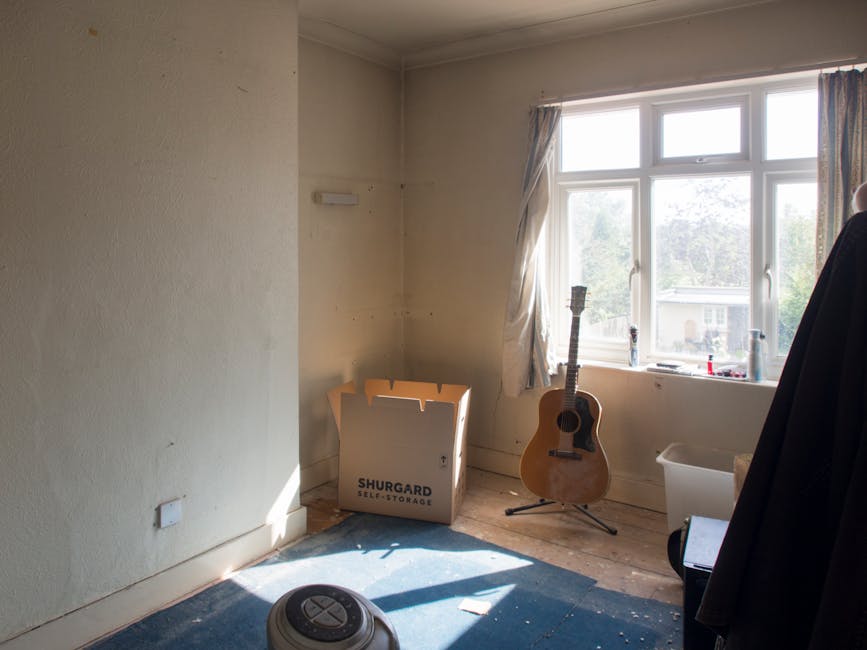
Before: The front room had become a storage space, the dining area was packed with spare chairs and boxes, and the hallway had narrow access because of items stacked along the wall. The loft contained seasonal decorations, old paperwork, and broken furniture. The garden shed was full of mixed waste and unused tools. Nothing dramatic on its own, but together it made the property feel heavy and difficult to use.
During: Items were split into keep, remove, and recycle categories. Any important paperwork and personal belongings were separated first. Then the bulky furniture came out, followed by bagged items and the contents of storage areas. The team worked room by room to keep paths clear. The garden shed was dealt with separately so the indoor work could continue without cross-traffic becoming a nuisance.
After: The rooms looked brighter and bigger. The hallway was clear, the garden was usable again, and the property could be cleaned properly before photographs and valuation. The biggest difference was not only visual. The family no longer had to navigate piles of things every time they visited. That alone was a relief.
This is the kind of result people usually mean when they ask about before and after work. It is not about perfection for its own sake. It is about restoring order, making the space usable, and helping the next step happen without drama.

Practical Checklist
Use this simple checklist before the clearance begins. It will help prevent missed items and reduce stress on the day.
- Identify the rooms or areas to be cleared
- Set aside valuables, documents, and sentimental items
- Label anything that must stay in the property
- Check access, parking, and any narrow entry points
- Decide whether the job is full, partial, or staged
- Photograph the property if a record is useful
- Confirm whether any items need special handling
- Plan for cleaning or repairs after the clearance
- Ask how recycling and disposal will be managed
- Make sure one person is available to make decisions on the day
If you can tick most of these off in advance, the whole process tends to go more smoothly. It is a small thing, but it saves a lot of backtracking. And honestly, backtracking is the bit nobody remembers fondly.
Conclusion
A strong house clearance result in Blackheath is not just about removing items. It is about turning a difficult, cluttered property into a clean, workable space with less stress and more direction. The best before-and-after results come from planning, careful sorting, sensible disposal, and a method that fits the home rather than forcing the home to fit the method.
If you are dealing with a property that feels overwhelming right now, that does not mean it has to stay that way. A good clearance can bring order back surprisingly quickly, and once the space is cleared, the next decision usually feels easier. That is often the real win.
Get a free quote today and see how much you can save.
And if you are still weighing up your options, start with the basics: what needs to stay, what needs to go, and what outcome you want at the end. Clear that up first, and the rest gets a lot less messy.
 Tipper Van - Waste Removal and Rubbish Clearance Prices in Greenwich, SE10
 Luton Van - Waste Removal and Rubbish Clearance Prices in Greenwich, SE10


