Cheap rubbish removal SE10 streets and estates
Posted on 10/10/2026
If you live or work around SE10, you already know rubbish can build up faster than you expect. One weekend tidy-up turns into a hallway full of flat-pack, or a builder leaves a pile of offcuts that suddenly feels impossible to ignore. Cheap rubbish removal SE10 streets and estates is really about getting that clutter gone quickly, safely, and without paying over the odds. The tricky bit is finding the sweet spot: low cost, reliable service, and a team that understands estate access, tight streets, parking, and all the small realities that matter in Greenwich.
This guide breaks down how local rubbish removal works, what affects price, which situations it suits best, and how to avoid the usual headaches. It also points you to useful next steps, including clear pricing guidance, the broader services overview, and the main rubbish clearance service in Greenwich if you want a more complete picture. Let's keep it practical.
Why Cheap rubbish removal SE10 streets and estates Matters
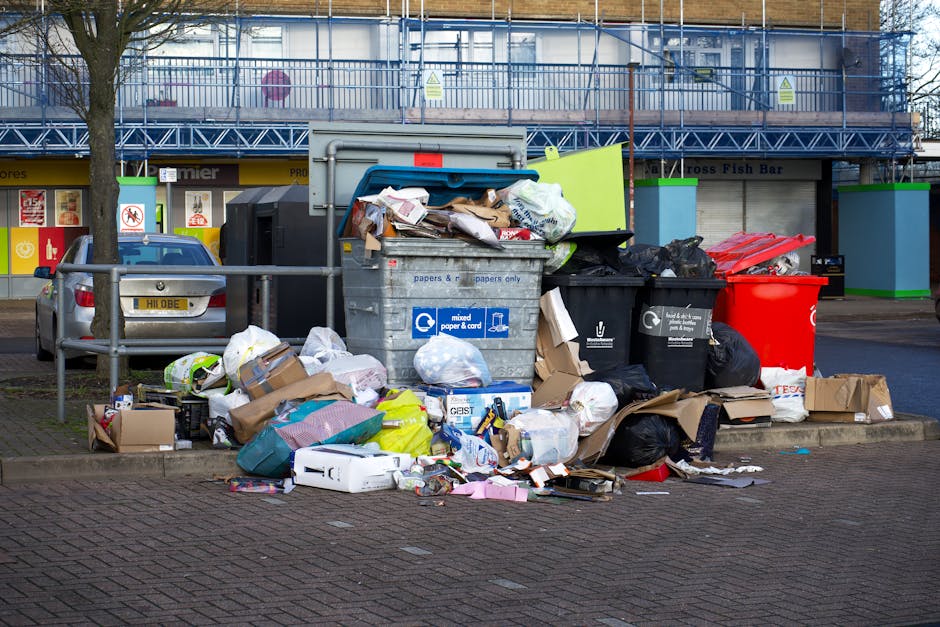
SE10 is a busy part of London, and that matters more than people think when they need waste collected. Streets can be narrow, parking can be awkward, and estates often have shared access points, lifts, bin stores, and neighbours who quite rightly do not want piles of waste left around for longer than necessary. A cheap service is useful only if it still works properly in that environment.
There is also the very ordinary truth that rubbish is disruptive. It gets in the way of cleaning, decorating, moving, or simply living normally. A few bags in the corner can quickly turn into a whole room you stop using. On estates, that clutter can spill into communal areas, which is where things start to feel messy, awkward, and sometimes even unsafe. Nobody needs that on a damp Tuesday morning with shopping bags in one hand and a pram in the other.
For landlords, tenants, homeowners, builders, and office managers, the value of affordable removal is not just savings. It is convenience, speed, and avoiding the false economy of doing it badly yourself. If you need to compare the service mix, the waste removal in Greenwich page is a useful place to understand the wider options available.
Key takeaway: Cheap should mean efficient and sensible, not rushed or sloppy. In SE10, the best value usually comes from a service that understands access, timing, and local restrictions as well as the waste itself.
How Cheap rubbish removal SE10 streets and estates Works
The basic process is simple, though the details matter. You describe what needs removing, a collection is arranged, the team arrives, loads the waste, and takes it away for sorting, recycling, disposal, or reuse where appropriate. That is the simple version. The real-world version includes access checks, parking considerations, item categories, and pricing based on volume, weight, labour, or a mixture of these.
On SE10 streets and estates, a good provider will usually ask a few practical questions before arrival. Is there parking near the property? Are there stairs? Is it a flat with lift access? Are there bulky items like mattresses, wardrobes, builders' rubble, or garden cuttings? Those details help avoid delays and prevent vague estimates that jump later.
Some jobs are straightforward. Others need a little more thought. A first-floor flat with no lift and a sofa that only just fits through the door is different from a ground-floor garage clear-out. The job is still the same in principle, but the time, labour, and logistics are not. That is exactly why good providers price with context, not guesswork.
If your situation is tied to a move, a sale, or a bigger property project, it can help to look at related guidance such as house clearance in Greenwich or, for work-related spaces, office clearance. Both are often relevant when waste is not just a few bags but a larger sort-out.
Key Benefits and Practical Advantages
Cheap rubbish removal should offer more than a low number on a quote. When it is done well, it solves a surprisingly wide range of everyday problems.
- It saves time: no repeated trips to the tip, no hunting for a van, no lifting everything twice.
- It reduces stress: one booking can clear a mess that has been hanging over you for weeks.
- It suits local access conditions: especially useful where parking is tight or shared.
- It can be more cost-aware than DIY: once you factor in fuel, disposal, parking, and your own time, cheap looks different.
- It supports better recycling: a proper operator will separate recyclable and reusable materials where possible.
- It helps keep communal spaces tidy: important on estates where shared areas matter to everyone.
There is also a quieter benefit: momentum. When clutter disappears, the rest of the job often becomes easier. The paint gets done. The room gets measured. The move gets booked. The garden finally becomes a garden again instead of a holding area for broken chairs and old compost bags.
For some readers, the best fit may be a targeted service such as garden waste removal in Greenwich or builders waste disposal in Greenwich. Those options can be a smarter choice than a broad general-clearance approach if the waste type is specific.
Who This Is For and When It Makes Sense
This kind of service suits a lot of people. Honestly, more than most expect.
Homeowners and renters often need help after a clear-out, decorating project, or end-of-tenancy clean-up. In SE10, that might mean one of the classic flat clearances: old furniture, a few broken appliances, and far too many bags of mixed household waste.
Landlords and letting agents use rubbish removal when a tenant has left items behind or when a property needs to be turned around quickly. Time is often the pressure point here. Every day the space sits unprepared is another day of delay.
Builders and tradespeople need fast removal for rubble, timber, packaging, and offcuts. A tidy site is not just nicer to look at; it is safer and easier to work in. If you are dealing with renovation debris, the dedicated builders waste disposal Greenwich page is especially relevant.
Small businesses and offices may need old desks, chairs, cabinets, archive bags, or redundant equipment removed without disrupting day-to-day work. If that sounds familiar, the office clearance service may be the better route.
People moving in or out of properties in Greenwich often need a fast reset. There is a practical overlap here with estate and sales activity, which is why resources like selling properties in Greenwich and smart Greenwich real estate purchases can be helpful if the waste removal is part of a wider property plan.
Step-by-Step Guidance
Here is a sensible way to approach a local rubbish removal job without making it more complicated than it needs to be.
- Sort what needs to go. Separate furniture, general household waste, garden waste, and building debris if you can. Mixed waste can still be collected, but a little sorting often helps keep things efficient.
- List the awkward items. Mattresses, fridges, sofas, wardrobes, and heavy rubble are worth mentioning early. They affect handling and pricing.
- Check access. Note staircases, lift size, parking restrictions, loading points, and any estate gate or entry issues.
- Ask for a clear quote. A proper quote should explain what is included. If you want a useful starting point, see the pricing and quotes page.
- Confirm timing. Morning or early-day slots often help in busy areas. Less waiting around, less hassle. Simple.
- Prepare the items. If safe to do so, place waste in one accessible area. Keep walkways clear.
- Check the paperwork. For peace of mind, read the service terms and safety information before booking. The pages on terms and conditions and insurance and safety are worth a glance.
- Ask about sorting and recycling. Not every item is treated the same way, and a responsible service should explain what happens next.
A small but useful tip: take a quick photo of the pile before the team arrives. It helps avoid confusion, especially if someone else is arranging the job on your behalf. Nothing fancy. Just enough to show the scale.
Expert Tips for Better Results
To be fair, a lot of rubbish removal problems are avoidable if you plan just a little. You do not need a spreadsheet. You just need the right details upfront.
1. Be honest about volume
Underestimating the amount of waste is the fastest way to lose the cheap part of cheap rubbish removal. If you are unsure, err on the side of caution. Better to describe "three quarters of a van" than "just a few bits" when the real answer is a small mountain.
2. Mention access realities early
SE10 streets and estates can be awkward. Mention parking, gate codes, loading restrictions, and stair access before the visit. That kind of honesty saves time and usually saves money too.
3. Separate heavy rubble from light waste
Builders' waste, soil, bricks, and tiles are handled differently from cushions, cardboard, and broken furniture. Mixing everything together can make the job less efficient. If your load includes renovation debris, the services overview can help you match the job to the right service.
4. Think about what can be reused
Not everything needs to be treated as rubbish. Some items are still usable, and a sensible operator will sort accordingly where possible. That is better for the environment and often better for the bill, too.
5. Book before the pile becomes a blockage
Once waste starts blocking access routes or communal areas, the job becomes more urgent and often more stressful. People always mean to sort it "next weekend". Then next weekend turns into three weeks later. Happens all the time.
If sustainability matters to you, the recycling and sustainability page is a sensible companion read, because a cheap job is far more satisfying when you know the waste is being handled responsibly.

Common Mistakes to Avoid
Cheap services go wrong for predictable reasons. Most are easy to avoid if you know what to look out for.
- Choosing on price alone: the lowest quote is not always the best value if it excludes labour, loading, or disposal.
- Not checking what is included: some quotes look attractive until extras appear for stairs, heavy lifting, or awkward access.
- Mixing regulated items with general waste: certain items need special handling, so always ask first if you have electricals, fridges, or hazardous materials.
- Leaving waste outside without agreement: on estates especially, this can annoy neighbours and create avoidable issues.
- Failing to confirm collection windows: if you need the area clear before a delivery, inspection, or handover, timing matters.
- Ignoring company details: a legitimate operator should be transparent about service terms, payment security, and who they are.
A good rule: if something feels unclear before booking, ask. A trustworthy team will answer plainly. If they dodge basic questions, that is your cue to step back. No drama needed.
Tools, Resources and Recommendations
You do not need specialist kit for most rubbish removal jobs, but a few simple tools make life easier and safer.
- Heavy-duty bin bags for loose household waste.
- Gloves for sharp edges, splinters, and dusty materials.
- Labels or tape to mark keep, donate, recycle, and remove piles.
- A phone camera to document the load and send accurate photos for quotes.
- Measuring tape if you have large furniture or narrow access points.
- Protective coverings for communal corridors or hallways when moving bulky items.
For planning and reassurance, these pages can be useful depending on what kind of job you have:
- your rubbish removal needs for matching the service to the job
- about us if you want to understand the company's approach and values
- payment and security for a quick confidence check before booking
- accessibility information if access or communication needs matter to you
- cookie policy and privacy policy if you are reviewing how the website handles your data
Not every reader needs all of that. But having the right page in front of you makes decision-making a lot easier, especially when you are juggling a move, a deadline, or a building project.
Law, Compliance, Standards and Best Practice
Waste removal in the UK should be handled carefully. You do not need to be an expert to make a sensible choice, but it does help to know the basics.
A responsible waste carrier should be able to explain how waste is transported, sorted, and disposed of. They should also be clear about what they can and cannot take. If you are disposing of business waste, building waste, or items that may require special handling, ask direct questions. That is not being fussy. It is just good practice.
For home and estate collections, a few standards are especially important:
- Duty of care: waste should be handled responsibly from collection to disposal.
- Safe lifting and moving: heavy items should be removed without unnecessary risk to people or property.
- Clear pricing: you should understand what you are paying for before work begins.
- Respect for communal spaces: especially in flats and estates, common areas should be left tidy and passable.
- Transparency: the operator should be clear about service scope and any exclusions.
If your clearance is part of a wider home project, it may also be worth checking whether the job fits within a broader waste removal plan rather than being treated as a one-off emergency. That is often where the best value appears. Not always, but often enough.
Options, Methods and Comparison Table
There is more than one way to clear waste in SE10. The best option depends on amount, urgency, access, and the type of rubbish involved.
| Method | Best for | Pros | Watch-outs |
|---|---|---|---|
| Man-and-van rubbish removal | Small to medium loads, quick clear-outs | Flexible, fast, often cost-effective | Price can vary if the load is larger than expected |
| Full house clearance | End-of-tenancy, probate, move-outs | More thorough, better for larger jobs | Usually not ideal for just a few items |
| Builders waste disposal | Renovation debris, rubble, site clean-ups | Suited to heavier and mixed trade waste | Needs careful sorting and accurate load description |
| Garden waste removal | Green waste, branches, soil, cuttings | Clean and simple for outdoor jobs | Soil and heavy waste may change the quote |
| DIY tip run | Very small loads if you have transport | Can seem cheap at first | Time-consuming, physically tiring, parking and loading hassle |
For many people in SE10, a local collection service gives the best balance of price and convenience. DIY can look cheaper on paper, then you spend half a day wrestling a sofa into a borrowed van. Not exactly a relaxing Saturday.
Case Study or Real-World Example
Here is a realistic SE10-type scenario. A family moving out of a flat near an estate in Greenwich has a mix of items to remove: a broken wardrobe, a mattress, several bin bags, a coffee table, old shelves, and some leftover packing waste. They also need the hall kept clear because neighbours use the shared corridor, and the lift is small enough that bulky furniture needs a careful route out.
The first step is a photo-based quote with honest details about access and item types. Once the collection is booked, the waste is grouped near the door, walkways are protected, and the team removes everything in one visit. The real value here is not just removal. It is that the flat is ready for cleaning, the inventory check can happen, and the move can keep moving. It is a small thing, but also quite a big thing on a stressful day.
A similar pattern happens with refurb jobs. A homeowner clears a spare room before decorating, or a landlord needs old contents removed before re-letting. The job is straightforward once the waste is identified properly. The problem is never the waste itself, really. It is the delay around it.
Practical Checklist
Use this quick checklist before you book cheap rubbish removal in SE10 streets and estates.
- List the items and estimate how much space they take up.
- Separate general rubbish, furniture, garden waste, and builders' waste where possible.
- Note stairs, lifts, parking access, gate codes, and loading restrictions.
- Take a few clear photos of the waste.
- Ask whether the quote includes labour, loading, and disposal.
- Check whether any items need special handling.
- Review the service's terms, payment, and safety information.
- Confirm the collection window and how long the team may need on site.
- Clear a path so the crew can work safely and quickly.
- Keep any items you want to save in a separate, clearly marked area.
Quick reminder: a tidy load and clear access usually mean a smoother job and fewer surprises.
If you are still weighing up the best approach, the safest next step is to compare the job type with the right service and ask for a straightforward quote. The team's services overview and pricing guidance can help you do that without guesswork.
Conclusion
Cheap rubbish removal SE10 streets and estates is not just about finding the lowest price. It is about getting rid of waste efficiently, without making a local access problem worse, and without paying for avoidable delays or unclear extras. In a place like SE10, where streets are busy and estates have their own rhythm, the best service is the one that fits the real world rather than an ideal version of it.
When you plan well, describe the waste properly, and choose a team that is transparent about what is included, the whole process becomes simpler. Less hassle. Less clutter. Less of that lingering feeling that the pile in the corner is somehow running the house. We have all been there, to be fair.
And once the waste is gone, the space tends to feel bigger, calmer, and easier to use again. That's often the best value of all.
Get a free quote today and see how much you can save.

 Tipper Van - Waste Removal and Rubbish Clearance Prices in Greenwich, SE10
 Luton Van - Waste Removal and Rubbish Clearance Prices in Greenwich, SE10


